

Folsom Family History
Fascinating incidentals about a family line
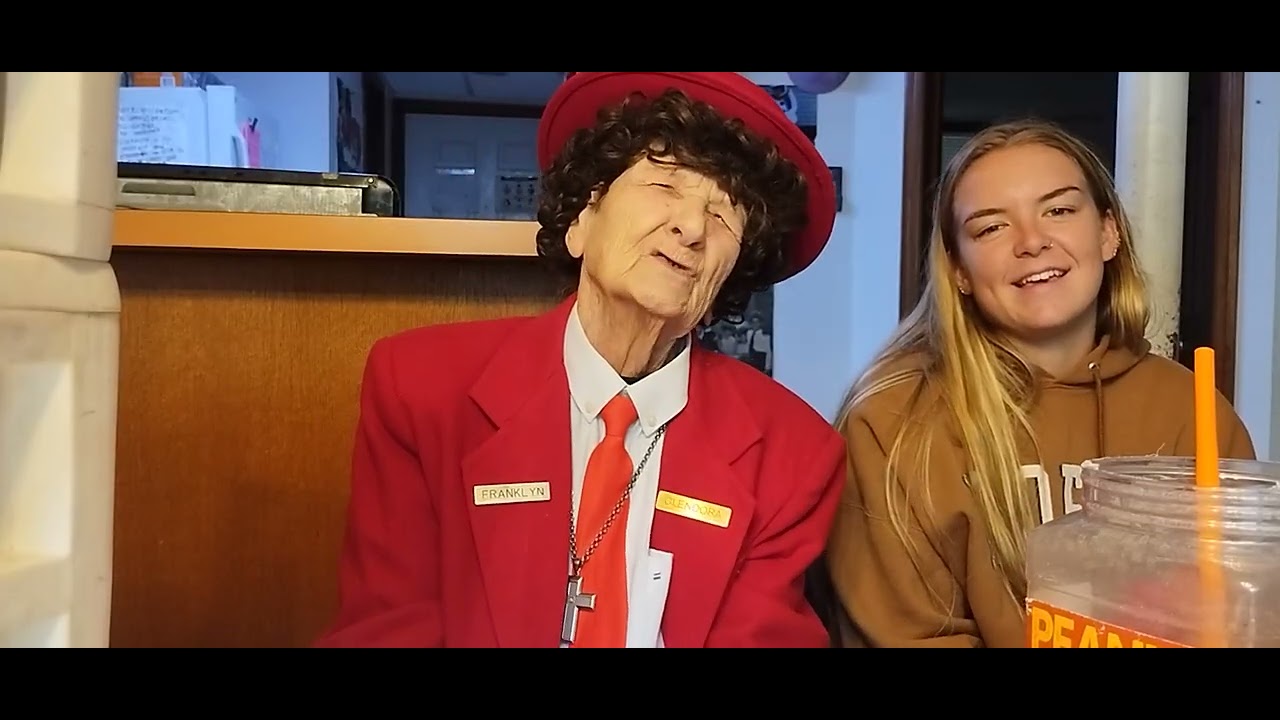
Glendora is a Folsom. Her name is
She was married to Franklyn Fuller Buell for
They go back to the Normandy Invasion by William the Conqueror in 1066.
Glendora asks were the Folsoms Norman or Anglo-Saxon or something? I think they were Normans. Several of them were members of Parliament. Several of them owned manors. One of them attained Lordship. The details of their attainments are very interesting, as related by Alexa. I commend this to you. They held high positions in industry and government and New England Tradition.
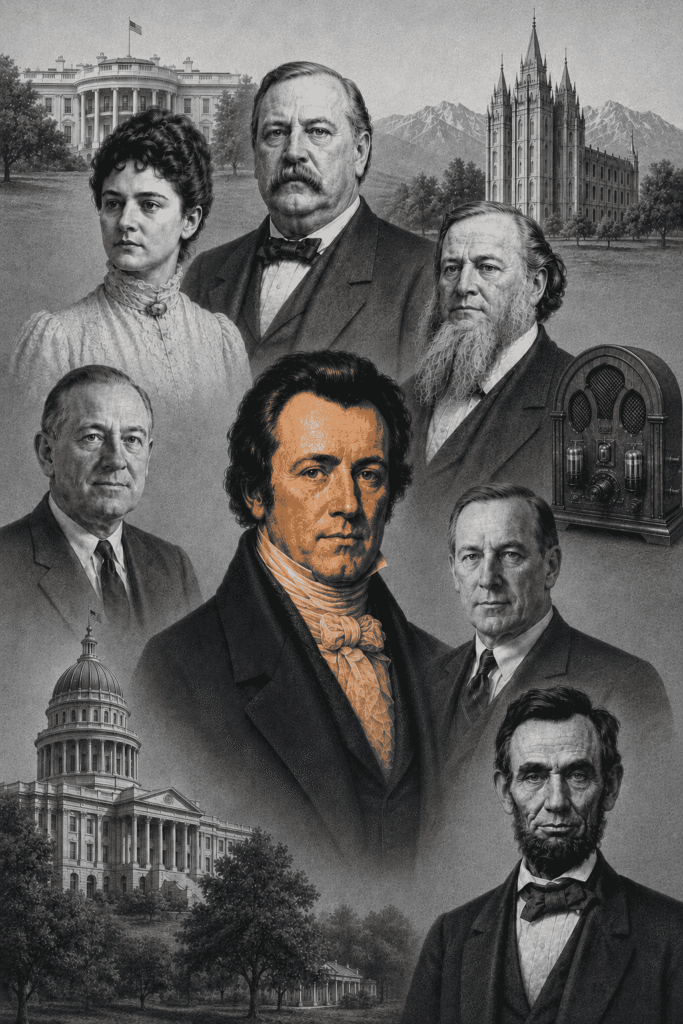
A Folsom married Bringham Young. Frances Folsom married Grover Cleveland of Buffalo, making her the youngest First Lady. Frank Folsom was President and CEO of RCA, Radio Corporation of America.
Big Jim Folsom was Governor of Alabama. There are four volumes of Folsom genealogy. The Folsom Family Association, Inc meets every year. Glendora encloses herein a page from the Folsom Family website about John Folsom, the initial family offshoot to America. The account by Alexa is worth reading, and Glendora commends it to you.
In downtown Hingham, MA, halfway between Boston and Plymouth is a statue of Abraham Lincoln stating his ancestor being a passenger with John Folsom on The Diligent, which looked exactly like the Mayflower.
The fastest way to trace your family tree is to run for political office.
Yours in Truth,
Glendora
On the 26th of April, 1638, the ship “Diligent of Ipswich,” England, of 350 tons burden, John Martin, master set sail from the mouth of the Thames for Massachusetts bay, having on board nineteen families and six or eight single persons, – in all, one hundred and thirty-three. Twelve of these families, numbering eighty-four souls, were from old Hingham, – the rest from the immediate vicinity; and they had all embarked for the purpose of joining a colony settled in Hingham, Mass, (1633-1637),consisting of ten families and five single person (in all, forty-nine), who had been their friends and neighbors in old Hingham. Among those now emigrating were John Foulsham of Hingham then twenty-three or twenty-four years of age, and his young wife, to whom he had been married about a year and a half. They were attended by two servants. His wife’s father and mother (Edward and Mary Clark Gilman, of Hingham), three younger brothers (Edward, not quite twenty-one years old, John and Moses) two younger sisters (Sarah and Lydia who married Daniel Cushing, – 1645), and three servants of the family, were fellow-passengers. The rector of the parish, Rev. Robert peck, with his family, consisting of his wife, two children, and servants, also formed part of the company. The immediate occasion of their departure seems to have been trouble in ecclesiastical matters. Their rector, doubtless with the sympathy and aid of most of those constituting the emigrating party, had pulled down the rails of the chancel and alter, and leveled the latter a foot below the church, as it remains to this day. Being prosecuted by Bishop Wren, he left the kingdom, together with his friends, who sold their estates at half their real value, promising to remain with them always.
The party having landed at Boston, Massachusetts, August 10, 1638, immediately proceeded to their place of destination, about fourteen miles south-east from Boston. An Adam Foulsham, probably a son of the Adam who died in 1627, and a cousin, if not brother of John Foulsham, came from Hingham, Eng. To Hingham, Mass., in about 1639, but returned and died – 1670. Their rector remained about three years, when, hearing that the bishops were deposed, he returned to England in 1641 (the date given by Daniel Cushing), resumed his rectory, and died in 1656. Edward Gilman had with others obtained a grant of land eight miles square in a place now called Rehoboth, near the Rhode Island line, in 1641. In 1647 his name is recorded in Ipswich. Soon afterward, he went to Exeter, N.H., where his sons were already established in business. John Folsom and wife, with their children, followed her father and mother to Exeter, probably no earlier than 1650, the first authentic record of their residence in that town being in the year 1655.